Skip to content

Journal of Semiotics, Arts and Religion

An International Journal published in Australia

Menu
  • About/Rationale
  • Submissions
  • Editorial Team

Category: Volume 1

Arts / Volume 1

Interpretation as Creative Objective Act by Liliano Pazo

Translated by Deborah Rotshtein Make sure that, reading your story, the melancholic move towards laughter, those who laugh begin doing it louder, the simple are not bothered, the discreet become …


Religion / Volume 1

Fate, Uncertainty and Mystery of the Supernatural: Ironical Indictment as Literary Hermeneutics in Elechi Amadi’s The Great Ponds and The Concubine by N. Akingbe, C. Ogunyemi and N. Echendu

This paper reevaluates Elechi Amadi’s The Great Ponds (1969) and The Concubine (1969) within the frames of reference of magical realism and the supernatural, using irony as a critical tool …

Religion / Volume 1

Representation of Religious Trauma in Sefi Attah’s Hailstones from Zamfar Kalejaiyek Oluwakemi Abiola and Shogunle Oluwaseyi Nathaniel 

The study examines Sefi Attah’s depiction of the psychological burden of women and projects religion as a factor that engenders trauma. This is to identify the patterns of faith-based domestic …

Religion / Volume 1

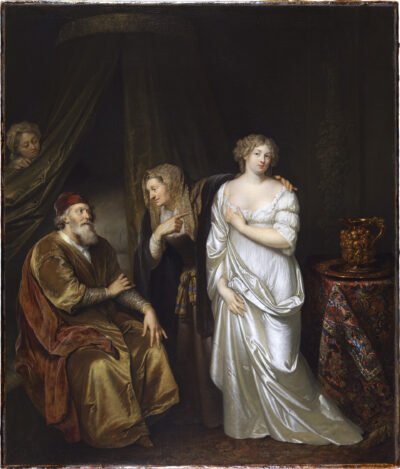
Between the Slavery of the Law and the Freedom of the Promise in Grace: A Semiotic Reading of the Allegory of Sarah and Hagar by Nilthon Fernandes

The article analyses the allegory of Sarah and Hagar as a problem of dual forms of religiosity: serving God out of fear and obligation under the Law, or through free …

Semiotics / Volume 1

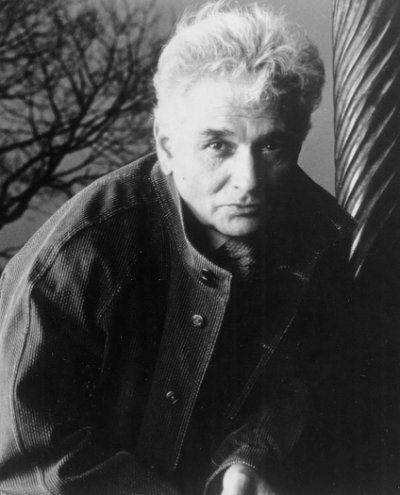
Parole and Subjectivity: A Psycho-Semiotic and Poststructuralist Exploration by Sapanpreet Kaur

Abstract: This study examines the notion of parole and its essential function in shaping subjectivity, utilising psycho-semiotic and poststructuralist theories to contest conventional language paradigms. Building on Ferdinand de Saussure’s …

Religion / Volume 1

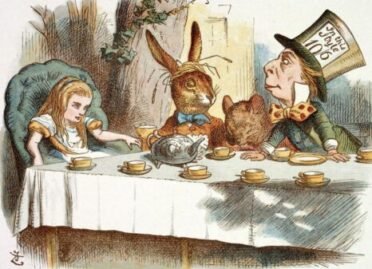
Mythologemes of Death, the Garden, and Time in Lewis Carroll’s Alice in Wonderland by A.Shapauov, Y.Turovskaya, S.Negimov and Z. Talaspayeva

This article explores the mythopoetic elements in Lewis Carroll’s Alice in Wonderland, highlighting the enduring significance of interpreting its mythological dimensions. The study focuses on the concept of ‘mythopoetics,’ emphasizing …

Hidden Semantics of the Painting Program in the Church of the Narva Icon of the Mother of God in Narva by Yuliia Khlystun
Religion / Volume 1

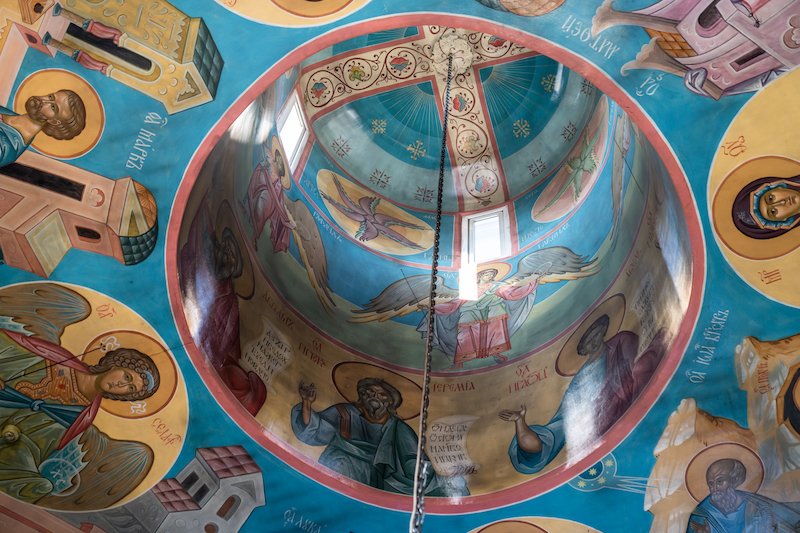
Hidden Semantics of the Painting Program in the Church of the Narva Icon of the Mother of God in Narva by Yuliia Khlystun

The article is devoted to the description and cultural analysis of the program for painting the church in honor of the Narva Icon of the Mother of God in the city of Narva, Estonia

Arts / Volume 1

Revival of Cabaret Theatre Traditions in Modern Art of Clowning by Vyacheslav Polunin by Elena A. Semenova

The article is devoted to the phenomenon of Russian cabaret, which developed rapidly from 1908 to 1917. A hypothesis is put forward, according to which not all cabarets can be …

Religion / Volume 1

A Semiotic Analysis of Anthropomorphic Conceptions of God in Biblical Verses by M. Mahmud

In biblical context, anthropomorphism is a significant communicative strategy for portraying God. This study examines anthropomorphic conceptions of God in biblical discourse as cognitive constructions that create understanding of abstract …

Religion / Volume 1

Historical Significance of Kogo ogó́ Anthem as a Musical Representation of Unity in the Cathedral Church of Holy Trinity mọfẹ, Southwest Nigeria by O. Asaolu and O. Onabanjo

Music has always played a vital role in religious communities ‘spiritual and communal life, serving as a medium of expression, worship, and unity. In the context of the Anglican Church …

Posts navigation

Older posts

Categories

  • Arts
  • Religion
  • Reviews, Views and Interviews
  • Semiotics
  • Uncategorized
  • Volume 1

Volume 1 2026

  • Revival of Cabaret Theatre Traditions in Modern Art of Clowning by Vyacheslav Polunin by Elena A. Semenova
  • A Semiotic Analysis of Anthropomorphic Conceptions of God in Biblical Verses by M. Mahmud
  • Women’s Embodiment as Semiotic: A Multimodal Analysis of Spatial Meaning in Novi Kristinawati’s Design by S. Agustin, A. Saidi, I. Damajanti, and H. Ahmad
  • Hidden Semantics of the Painting Program in the Church of the Narva Icon of the Mother of God in Narva by Yuliia Khlystun
  • Representation of Religious Trauma in Sefi Attah’s Hailstones from Zamfar Kalejaiyek Oluwakemi Abiola and Shogunle Oluwaseyi Nathaniel 
  • Mythologemes of Death, the Garden, and Time in Lewis Carroll’s Alice in Wonderland by A.Shapauov, Y.Turovskaya, S.Negimov and Z. Talaspayeva
  • Between the Slavery of the Law and the Freedom of the Promise in Grace: A Semiotic Reading of the Allegory of Sarah and Hagar by Nilthon Fernandes
  • Parole and Subjectivity: A Psycho-Semiotic and Poststructuralist Exploration by Sapanpreet Kaur
  • Fate, Uncertainty and Mystery of the Supernatural: Ironical Indictment as Literary Hermeneutics in Elechi Amadi’s The Great Ponds and The Concubine by N. Akingbe, C. Ogunyemi and N. Echendu
  • Interpretation as Creative Objective Act by Liliano Pazo
  • Communal Mysticism as a Social Contract: An Ethnographic Reinterpretation of Datu Legends in South Kalimantan by Faradina et al

Reviews, Views and Interviews Volume 1

  • The Little Prince, direction and choreography by Anne Tournié
  • Aura Mechanica Dance Review

Volume 1

  • Revival of Cabaret Theatre Traditions in Modern Art of Clowning by Vyacheslav Polunin by Elena A. Semenova
  • A Semiotic Analysis of Anthropomorphic Conceptions of God in Biblical Verses by M. Mahmud
  • Women’s Embodiment as Semiotic: A Multimodal Analysis of Spatial Meaning in Novi Kristinawati’s Design by S. Agustin, A. Saidi, I. Damajanti, and H. Ahmad
  • Hidden Semantics of the Painting Program in the Church of the Narva Icon of the Mother of God in Narva by Yuliia Khlystun
  • Representation of Religious Trauma in Sefi Attah’s Hailstones from Zamfar Kalejaiyek Oluwakemi Abiola and Shogunle Oluwaseyi Nathaniel 
  • Mythologemes of Death, the Garden, and Time in Lewis Carroll’s Alice in Wonderland by A.Shapauov, Y.Turovskaya, S.Negimov and Z. Talaspayeva
  • Between the Slavery of the Law and the Freedom of the Promise in Grace: A Semiotic Reading of the Allegory of Sarah and Hagar by Nilthon Fernandes
  • Parole and Subjectivity: A Psycho-Semiotic and Poststructuralist Exploration by Sapanpreet Kaur
  • Fate, Uncertainty and Mystery of the Supernatural: Ironical Indictment as Literary Hermeneutics in Elechi Amadi’s The Great Ponds and The Concubine by N. Akingbe, C. Ogunyemi and N. Echendu
  • Interpretation as Creative Objective Act by Liliano Pazo
  • Communal Mysticism as a Social Contract: An Ethnographic Reinterpretation of Datu Legends in South Kalimantan by Faradina et al

semioticsar@gmail.com

ISSN 3083-2438 (Online) ISSN 3083-2446 (Print)

1405/3 Carlton Street Chippendale NSW Australia 2008

Editor Geoffrey Sykes

Copyright © 2026 Journal of Semiotics, Arts and Religion – OnePress theme by FameThemes