Wayang is one of Indonesia’s oldest cultural traditions, and it is renowned for its remarkable ability to adapt through times. This article aims to explore how the ambiguity in the visual representation of the Punakawan wayang characters reflects Javanese culture.
https://doi.org.10.33234/JSAR.2.5
pp. 128-148

Exploring the Ambiguity in Representation of PunakawanPunakawan Santri and the Mosque Kayon: A Semiotic Reading of Creative Puppet Figures (Wayang Kreasi) in the Jemblung Murtadho Performance of Blitar, East Java
Harpang Yudha Karyawanto
PhD, Faculty of Language and Arts, Universitas Negeri Surabaya, Surabaya, Indonesia
E-mail: harpangkaryawanto@unesa.ac.id
ORCID: 0000-0002-1763-4929
Widodo
Professor, Postgraduate Doctor of Arts Education, Faculty of Language and Arts, Universitas Negeri Semarang, Semarang, Indonesia
E-mail: widodo_bsejati@mail.unnes.ac.id
ORCID: 0000-0003-0834-9170
Aris Wahyudi
PhD, Department of Pedalangan, Faculty of Performing Arts, Institut Seni Indonesia Yogyakarta, Yogyakarta, Indonesia
E-mail: arisw5402@gmail.com
ORCID: 0000-0003-4409-2763
Abstract. Wayang is one of Indonesia’s oldest cultural traditions, and it is renowned for its remarkable ability to adapt through times. This article aims to explore how the ambiguity in the visual representation of the Punakawan wayang characters reflects Javanese culture. Using a qualitative method, this study combines a review of historical texts and visual comparisons to trace how the figures of Punakawan, especially Semar, have been reimagined in different regions and periods. The findings show that the Punakawan characters display diverse visual features, such as different hairstyles, face shapes, costumes, names, and symbolic details. This flexible visual idiolect shows how wayang can carry local meanings while staying connected to shared cultural codes. The ambiguity found in the Punakawan’s visual language shows that cultural heritage is not static but grows through creativity, openness, and plural meanings.
Keywords: ambiguity, visual, visual idiolect, plurality, Punakawan
Corresponding Author: Ratih Mahardika, Institut Teknologi Bandung, Indonesia
1. Introduction
The term ‘Wayang’ has existed, grown, and evolved for a long time in Indonesia. It is seen as a tradition that has shown strong resilience and adaptability through the years. According to Mulyono (1989), wayang holds a high and noble status (adiluhung) not just because of its great stories, beautiful performances, or clear character patterns, but also because of the valuable life lessons it carries. Solichin, Suyanto, and Sumari (2020) mentioned that wayang is recognized by Western cultural experts as the most complex and sophisticated form of theatre in the world, because it could blend various forms of art (drama, sound, poetry, visual art, etc). Moreover, on November 7, 2003, UNESCO declared wayang as “Masterpiece of the Oral and Intangible Heritage of Humanity”. Today, it is still preserved and celebrated as part of Indonesia’s cultural identity.
The development of wayang in Indonesia is paradoxical as it reflects similarities as well as differences. It tells a journey to the past but at the same time it also brings lessons for the future, and at the end, society agrees that wayang both determined and dynamic at the same time. In the past, wayang became the media to worship the ancestors, then it is used as a medium for teaching, praise, and as a media of information and communication to the public. This paradox gives people a glimpse into the way life is practiced. Society understands that cultural norms exist, but these norms can also become challenges that require commitment to follow. According to Bambang Sugiharto in the his book titled Kebudayaan dan Kondisi Post Tradisi (Culture and Conditions of Post-Tradition), culture in its whole practice has transactions of meaning along with social action. Therefore, the culture itself makes it a social meaning and not an act of opposition to the general rule (Sugiharto, 2023).
Today, wayang is still very much alive and has even reached audiences around the world. Some sources show that wayang already existed before Indian culture arrived in Indonesia in the 5th century AD. When Indian culture did arrive, it added new elements to wayang performances, especially through the stories of the Mahabharata and Ramayana, which are still well-known today. In addition, the influence also inspired wayang artists, leading to the creation of characters that embody the values of local wisdom and philosophy of the life of Nusantara (Indonesian archipelago). These include gods, the path, the carpenter, the monster, and the ruler (Solihin, 2016).
Punakawan are a group of characters in wayang performances. They are known for their comedic relief and philosophical insights. One of the Punakawan wayang characters who always appears in the middle of the show is Semar. Semar is an important figure in Javanese literature, with his first appearance in the Javanese literary work Sudamala. The figure of Semar was found in the form of an ancient Javanese poem (kakawin) and in a relief form in the Sukuh Temple dated back in 1439 M (Solichin, 2016, p. 292). The appearance of the figure Semar, which was later followed by the appearance of other Punakawan characters, gave its own ambience.
Solichin (2016, p. 290) also describes that Punakawan as a show always presents fresh entertainment with a variety of art attractions and jokes. This kind of entertainment becomes a medium of communication that is always used to deliver moral messages, so that all messages can flow and absorb in the hearts of the audience. The puppeteer (dalang) strives to present the Punakawan in the best possible way, ensuring that the messages delivered through their antics are both impactful and memorable. In the current show, the famous Punakawan characters are Semar, Gareng, Petruk, and Bagong. Each performance of Punakawan always shows a contradictory nature, blending humor, spirituality, criticism and elements of everyday life. This portrayal reflects the ambiguity of the Punakawan characters.
2. Diversity in The Appearance of Punakawan in the Wayang Performance in Indonesia.
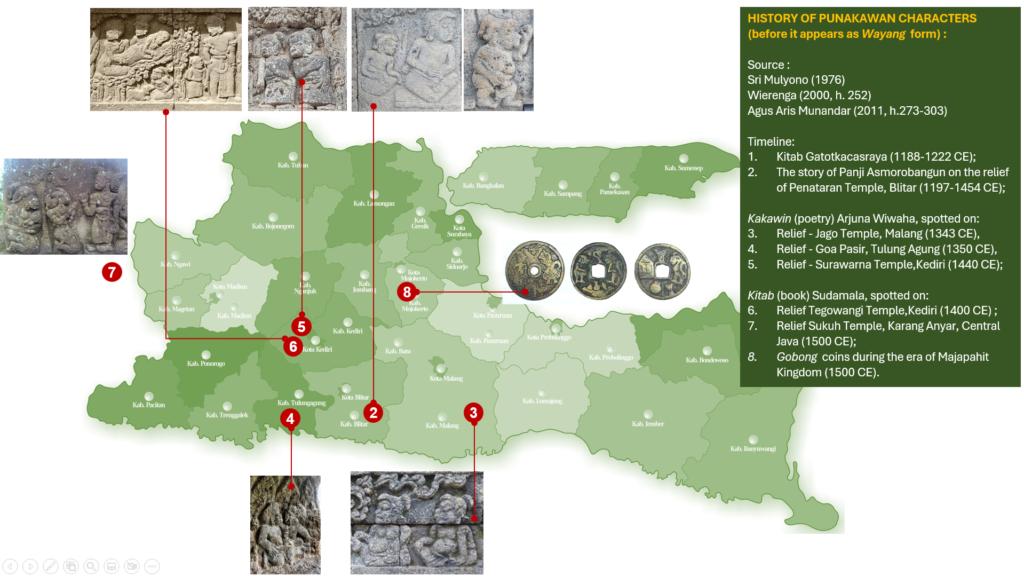
Fig. 1 The history of Punakawan characters in Java
Source: author
The discussion about Punakawan characters always starts with Semar. Figure 1 shows various historical sources that trace the origins of the Punakawan characters. Since the 12th century, the figure we now know as Semar has appeared in different forms, in ancient manuscripts, Javanese poetry (kakawin), temple reliefs, and even on old coins.
As shown in Figure 1, Semar originally appeared not as a main hero but as a loyal companion or follower of other figures. In these early depictions, Semar is always shown with another figure that looks almost the same: short and stout, bare-chested, wearing only a cloth around the waist, and with hair tied in a topknot (kuncung). This image is very similar to how Semar is portrayed today. Besides Semar, there are other characters with similar traits. According to Kresna (2012), Togog is Semar’s brother. Togog looks much like Semar but can be recognized by his wider and longer lips. Another related character is Bagong, who is described as Semar’s son, created from Semar’s own shadow.
As described by Kresna (2012), Bagong follows Semar wherever he goes. Solichin (2016) also tells the story of Semar without getting rid of Togog. Thus, there is an ambiguous discourse surrounding the figures of Semar and Togog in Indonesian folk narratives. This ambiguity is evident in various aspects, including their characterization, roles, and symbolic meanings, making it challenging to clearly define their identities and functions within the stories. Both are always harmonized and well written visually in opposite conditions. Here’s an example of Semar and Togog (Figure 2):
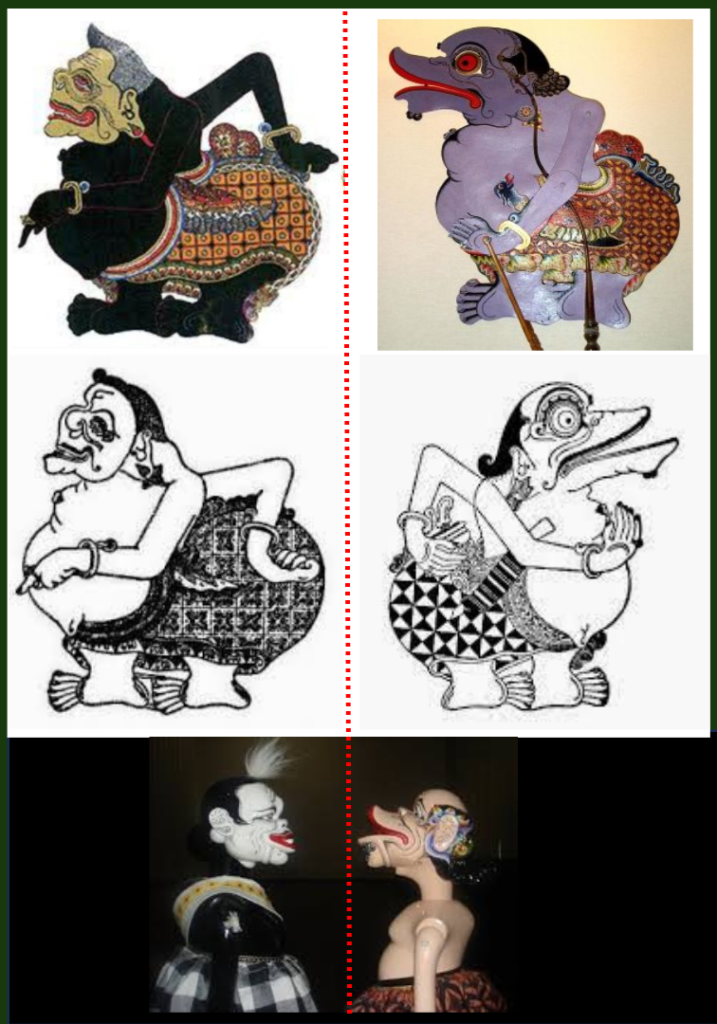
Fig. 2 The appearance of Semar (left) and Togog (right) characters in some version of Wayang.
Source: author
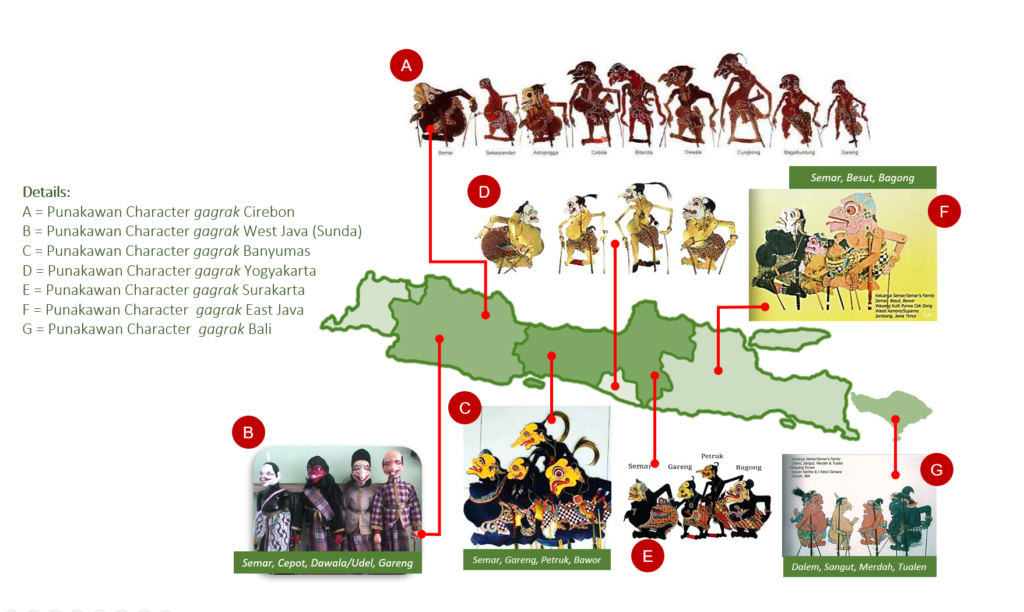
Fig. 3 Punakawan Characters across Java and Bali
Source: author
The meaning and role of Semar and the other Punakawan characters have always been flexible and open to interpretation. As culture evolved, communities adapted wayang in dynamic and creative ways, inspiring local artists to reinterpret the Punakawan and shape unique versions that reflect their regional identities. Figure 3 shows how Semar and the Punakawan developed in different regions:
- In the Cirebon version, the Punakawan story includes nine characters: Semar, Curis, Cungkring, Garang, Bagong, Dawala, Ceblok, Bitarota, and Bagalbuntung , which is quite different from the usual set.
- The Sundanese (Sunda) version uses wayang golek (three-dimensional wooden puppets). Here, the Punakawan includes four characters: Semar, Cepot, Dawala, and Gareng.
- In Banyumas, the wayang tradition features four Punakawan: Semar, Gareng, Petruk, and Bawor.
- The Yogyakarta version also has four well-known characters: Semar, Gareng, Petruk, and Bagong.
- The Surakarta version is similar to Yogyakarta’s, with the same four characters.
- The East Javanese version has its own distinct set of three: Semar, Bagong, and Besut.
- The Balinese version stands out with four unique Punakawan: Delem, Sangut, Merdah, and Tualen.
These diverse versions of wayang across cities and island show how the Punakawan have never been fixed characters but living cultural figures, and Punakawan continuously reimagined to fit the unique social, artistic, and spiritual contexts of each region.
3. Image Appearance Diversity as a Visual Idiolect
The diverse appearances of the Punakawan characters across Java and Bali illustrate what can be described as a visual idiolect, a unique visual language shaped by local creativity and cultural context. This term combines ideas from linguistics and visual art to explain how artists reinterpret and reshape shared symbols like Semar or Bagong to create new, distinctive visual forms.
Hjelmslev (1943, p. 58) explains that all elements of an artwork are connected : visual forms act as signs that carry meanings, much like words in a language. Eco (2009, p. 71) also argues that meaning comes not only from fixed codes but from complex, context-based interpretations. This means artists in each region intentionally develop their own ‘idiolect’ by modifying shapes, symbols, and styles, producing unique versions of the same character. Eco calls this process as ‘overcoding’ , it is when an artist resists repeating old forms and instead creates new ones, defining what he calls an aesthetic idiolect. Eco also stated that this process defines the distinctive nature of modern art.
Visual idiolect, then, is a special form of visual communication that reflects culture, identity, and diversity of one entity. It is important in showing cultural pluralism, especially in Indonesia, where artworks like wayang keep evolving while preserving local stories. Wayang performances bring together many elements, such as the puppets’ designs, the puppeteer’s (dalang’s) narration, the singers’ voices, the gamelan music, and performance rules , all of which shape how the story’s meaning is delivered.
Wayang also shows how cultures exchange symbols. Visual idiolect helps artists creatively combine symbols, shapes, and colors from different cultures to form a unique cultural identity. As Solichin (2016) points out, this mix of symbols makes wayang a rich representation of Indonesia’s cultural diversity and pluralism.
Druzhkov and Chesnokova (2021) in their article titled ‘The Idiolect of Ernestine de Champorcin’ describe idiolect as a unique language variation shaped by individual and cultural influences. They showed that idiolect analysis is different from text analysis because it studies an individual’s personal way of expressing language, including how it changes over time through regional variation, syntax, and tense. This idea supports how artists in different places develop their own visual idiolects through cultural adaptation.
In the context of wayang, idiolect is deeply linked to visual language, which shapes how messages are delivered. Visual language itself does not have a single definition; it can mean different things to different audiences because its forms often overlap with general visualization. To clarify this, Erwig et al. (2017) created a visual language ontology that organizes visual language through syntax tags, semantic tags, and detailed attributes. If classified, there are nine syntax tags and four semantic tags, as well as attributes that allow more specific classifications. This shows that both syntax (the structure) and semantics (the meaning) are important for analyzing visual language.
Kjeldsen (2018) in his research on visual rhetoric, adds that visual communication can be studied by treating images as a form of language. He explains that visual rhetoric works in two ways: by analyzing rhetorical figures and by interpreting images as texts that can be decoded. Kjeldsen also mentions that visual studies should perceive images both as language and as events of aesthetic code formation. Aesthetic codes refer to rules or norms that arrange aesthetical experience in a cultural or artistic context. These codes may include a general understanding of beauty, proportions, harmony, and other elements of art recognized by a particular community or group. Through this lens, a visual idiolect becomes the unique artistic language of an artist or group. It reflects how they use symbols, styles, and techniques in a way that is distinct and may even challenge existing artistic norms.
4. Methodology
This study uses a qualitative research approach to explore the ambiguity in the visual representation of the Punakawan characters. The methodology combines three main steps: literature review, historical tracing from scripts and direct observation for data collection, and visual analysis supported by semiotic interpretation for data analysis method. First, a literature review was conducted to gather theoretical perspectives on wayang, idiolect, ambiguity, and visual language. Sources include books, journal articles, and documented oral histories about wayang performances and Punakawan figures. Second, historical tracing was carried out by comparing old manuscripts, temple reliefs, ancient coins, and traditional texts that mention or depict Punakawan characters such as Semar, Togog, Gareng, Petruk, and Bagong. Third, visual analysis was used to compare and map the physical features of Punakawan figures across different gagrak (regional styles) in Java and Bali. Key elements observed include hairstyle, facial features, costume, posture, and symbolic accessories. This visual data was then interpreted through a semiotic lens to understand how changes in form reflect local cultural contexts, moral values, and the layered meanings embedded in the performances.
5. The Visual Idiolect of The Punakawan Character Represents Ambiguity
The diversity in how the Punakawan are imagined and performed shows that the visual idiolect of these characters does not have a single fixed meaning. Instead, it invites multiple interpretations that keep evolving in different times and places. This openness creates what scholars describe as ambiguity, which is a space where meanings overlap, shift, and expand.
Through Semar and the other Punakawan, society expresses values and beliefs in ways that remain flexible and adaptable. This creative freedom appears not only in the visual style but also in the number of characters, their names, and the stories told about them. Such layered meanings align with Julia Kristeva’s idea of a text that “exhibits itself as an artefact,” holding many possible readings (Hellberg, 2021, p. 148).
Scholars like Ullmann (1967) and Katz (2008) help us understand that ambiguity appears at different levels ; from how sentences are structured to the meanings of words. This idea can help us see how visual and narrative ambiguity work together in wayang performances, too. The changing shapes, names, and backstories of the Punakawan are all examples of how meaning-making stays open and alive.
The development of the Punakawan characters shows that communities intentionally keep their culture dynamic. Semar, for example, gives people the freedom to create new meanings within wayang performances. This process becomes a shared way for society to reflect on life’s values. It produces unique forms through: (a) diverse visual depictions, (b) variations in the number of characters, (c) differences in names, and (d) different stories about their origins and journeys.
The diversity of the Punakawan characters creates reflective narrative, where the creative process introduces ambiguity in meaning. The result is at least a double meaning, or what Kristeva (in Hellberg, 2021) calls a layered or multiplied meaning. As shown in Figure 2, the Punakawan appear differently in each region, with variations that mirror local identities. Kristeva calls this condition ‘exhibiting itself as an artefact,’ an expression of creative openness. Ullmann (1967) breaks ambiguity into three levels: grammatical ambiguity (related to syntax or sentence structure), phonetic ambiguity (where sounds become unclear, often in fast speech), and lexical ambiguity (where words hold multiple meanings). Katz (2008, pp. 170–210) explains semantic ambiguity , how the interaction of multiple possible meanings makes interpretation complex and open-ended. These forms of ambiguity allow for new ways of seeing and understanding something that already exists.
Al-Sadoun and Al-Rashed (2013, pp. 8–10) expand on this in Types of Ambiguity, building on Kroverts and Croft’s work. They also refer to Nordquist (2013), who explains how the structure of reading a text shapes how ambiguities are produced in both language and visuals.
The structure of the ambiguity representation is shown as follows:
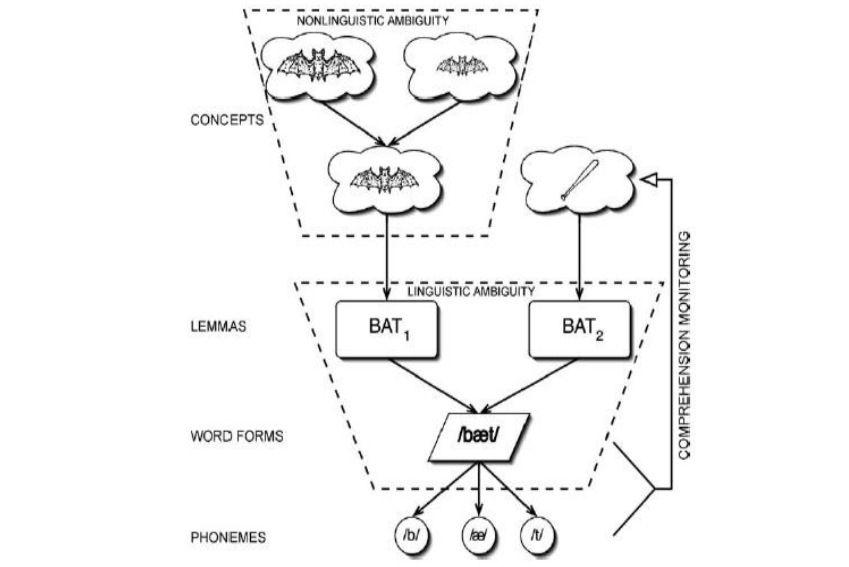
Fig. 4 Structure of representation of ambiguity by Al-Sodoun and Al-Rashed (2013). Source: Types of Ambiguity (wordpress.com) downloaded November 30, 2023.
Figure 4 shows how the meaning of a text or image can become ambiguous. For example, many visual (non-linguistic) forms can share a single name, or one written word can produce many visual interpretations. This diagram, from Al-Sadoun and Al-Rashed (2013), illustrates how the same word form “bat” , can connect to different concepts (a flying animal or a baseball bat) through both linguistic and non-linguistic pathways. It also shows how the process of comprehension monitoring helps people decide which meaning fits best in a given context. This idea helps explain how the visual idiolect of Punakawan characters allows one figure to hold many possible meanings and roles depending on the region and performance.
Ambiguities can arise from the way the text is perceived or pronounced, often influenced by the object itself or the unique interpretation of the reader. Figure 4 is still related to Figure 3, and together they provide a foundation for illustrating the ambiguity associated with the character of Punakawan, as understood by the public.
The reading of semantic ambiguity structures on the Punakawan figure can be seen in Figure 5 below:
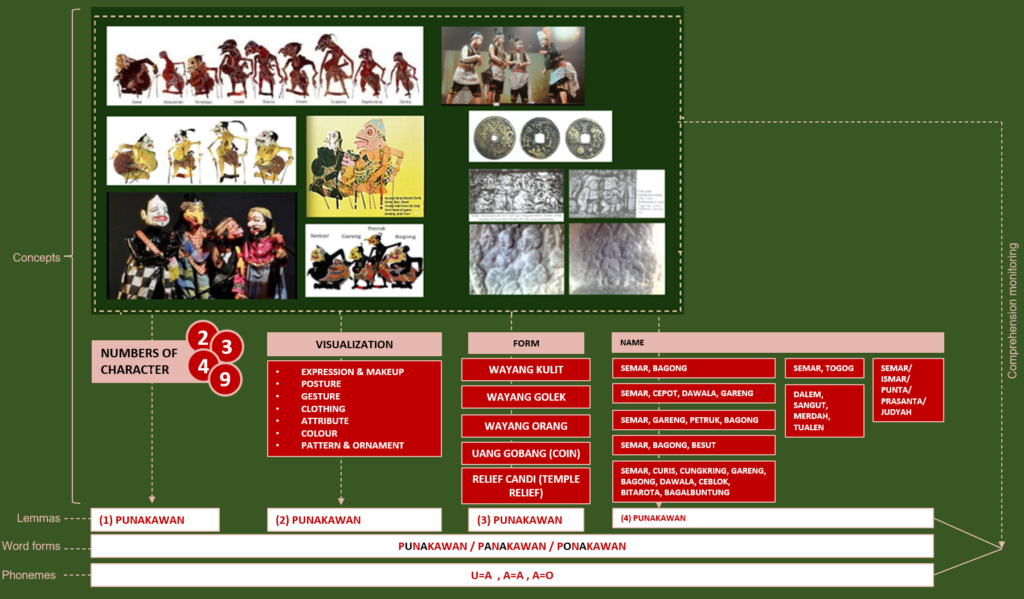
Figure 5 above shows how this structure appears when read through the lens of the Punakawan. This ongoing ambiguity in traditional performances like wayang creates room for different interpretations, giving rise to new roles, character traits, symbols, storylines, and relationships. The values embedded in these stories can also shift between preserving old traditions and creating new meanings. These acts of reinterpretation are personal choices that can grow into collective efforts when they align with social or political change. As Deener (2017, pp. 365–369) describes, ambiguity often marks a social transition, changes in people’s status, roles, or identities that reflect shifts in norms, values, and institutions.
Figure 5 highlights this idea of transition. The ambiguity that surrounds the Punakawan reflects the social shifts happening in each region. Although the Punakawan characters have deep mythological roots, their many forms likely evolved as society changed. Deener’s concept of social transition explains how new versions of the Punakawan mirror the changing values, norms, and responses of communities to contemporary issues, all of which find expression in the living art of wayang.
Figure 5 also shows that although all four are called Punakawan, each version has its unique number of characters, distinct visual style, local names, and specific forms that reflect the cultural diversity of each region. First, the ambiguity of number is clear: the group can consist of two, three, four, or even nine figures, such as Semar, Bagong, Gareng, Petruk, Cepot, Dawala, Besut, and other local names. Second, the ambiguity of naming appears through multiple alternative names for the same character, like Semar being called Ismar, Punta, Parasanta, or Jurudyah in different traditions. Third, the ambiguity of medium shows that Punakawan figures are not tied to one material form but cross between shadow puppets (wayang kulit), wooden puppets (wayang golek), live actors (wayang orang), ancient coins (uang gobang), or temple reliefs. Fourth, the ambiguity of visualization includes diverse facial expressions, postures, gestures, costumes, colors, and decorative details, which vary across regions and periods, demonstrating an open-ended visual idiolect. Apart from the visual styles, the concept of ambiguity is also shown by how the same Punakawan lemma can appear in different word forms, for example, Punakawan, Panakawan, or Punokawan. Although these forms use slightly different vowels, they share the same core meaning.
This rich ambiguity can be seen not only in the overall number, form, and names of the Punakawan characters but also in the detailed visual choices made for each figure in different regions. To show how this visual idiolect works in practice, the following table compares how Semar, the central Punakawan figure which we are discussing in this article, is visualized across several gagrak (style). It highlights how changes in hairstyle, facial features, accessories, and colors all shape unique local expressions of the same character, while still carrying shared symbolic meanings that adapt to social and cultural contexts.
Table 1. The Visual Idiolect of The Punakawan Character Semar Represents Ambiguity
| Style & Region(Gagrak) | Cirebon | West Java (Sundanese) | Banyumas | Yogyakarta | Surakarta | East Java | Bali |
| Visualization | |||||||
| Name | Semar | Tualen/ Malen | |||||
| Hairstyle | Kuncung Kauban & Gombak Irang (wavy and black) | Kuncung Kauban & Jebring/Pating (short) | Gombak & Kauban (silver) | Gombak & Kunung Kauban(wavy and silver) | Gombak & Kauban (wavy and silver) | Kuncung Kauban | Kuncir (pigtail) |
| Eyeshape | Gabahan/ Rembesan | Gabahan/ Rembesan | Gabahan/ Rembesan | Gabahan/ Rembesan | Gabahan/ Rembesan | Gabahan/ Rembesan | Gabahan/ Rembesan |
| Nose Shape | Bruton(chicken’s tail feathers shaped) | Sumpel (sunken/flat) | Sumpel(sunken/flat) | Sumpel(sunken/flat) | Sumpel(sunken/flat) | Bentulan(round shape, like a small fruit) | Bruton(chicken’s tail feathers shaped) |
| Mouth Shape | Nggambleh (wide and thick) Mangap-Ngablak (open) | Gugut | Gugut & Mesem (smile) | Mingkem (closed) | Gugut & Mesem | Mingkem (closed) | Mesem (smile) |
| Accessories | Sumping Surengpati (ear accessories) & Chili-shaped earring | – | Chili-shaped earring | Chili-shaped earring | Chili-shaped earring | Makuta (crown) | Tekes/Ketu (headpiece/hat) |
| Skin Colour | White | White | Orange | White | Yellow | White | Black |
Table 1 shows how the visual idiolect of Punakawan character : Semar reflects the ambiguity through detailed differences across various gagrak. Although Semar is recognized by the same name (or by local equivalents like Tualen/Malen in Bali), his physical features shift to match local cultural expressions. For example, his hairstyle may be a kuncung (child’s topknot) in Cirebon and East Java or a gombak style in Banyumas, Yogyakarta, and Surakarta. His nose shape ranges from bruton (shaped like the base of a chicken’s tail) to sumpel (sunken or flat) to bentulan (round like a small fruit), illustrating different symbolic readings. The mouth shape also varies. Semar may appear open-mouthed (nggambleh, mangap-ngablak), smiling (mesem), or closed (mingkem).
The ambiguity of the Punakawan is not only seen across regions, but it is also embedded within each individual character’s appearance. Therefore, we would like to call this ‘levels’. Regarding the level, the ambiguity in wayang Punakawan exists on two levels. First, there is inter-character ambiguity, where the same character, like Semar, appears differently across regional gagrak (style), each with unique styles and interpretations. The first type of ambiguity has been discussed in the previous paragraphs, where each gagrak / style of wayang has specific and certain name, hairstyle, eye shape, nose shape, etc. Second, there is intra-character ambiguity, where a single version of Semar combines contrasting physical, gender, age, and social class traits within one figure. Together, these two layers show how Punakawan’s visual idiolect holds multiple meanings at once, both between regions and within each character’s own appearance.
Figure 6 shows this intra-character ambiguity through the example of Semar’s physical traits in the Surakarta style:
- Semar’s face is shaped like that of an elderly man or grandfather, yet he wears a thick layer of white face powder (pupuran) like a baby. Javanese mothers usually powder their babies’ faces after a bath.
- While his face resembles that of an older man, his hair decoration is styled as a topknot (kuncung) or curly tuft, a hairstyle traditionally worn by young children in ancient times.
- Red lips that appear to be smiling but are inconsistent with the mellow expression of the eyes, referred to as rembyes in Javanese, where the eyebrows suggest sadness or lack of enthusiasm.
- The physical shape of the body, seen from the tip of the head to the top of the legs, completely resembles the male shape, but what is unique is that the chest is like the female shape.
- The lower cloth he wears were historically reserved for nobles and royal family members, yet Semar, like other servant characters, wears it as well, representing how a symbol of high status is carried by a figure who embodies the ordinary people or lower social class.
Fig. 6 Semar (Surakarta’s version). Source: https://id.wikipedia.org/wiki/Semar downloaded May 15, 2023.
In the ASISI Channel’s review titled “Semar: A Loyal Friend in the Majapahit Temple to the Symbol of Monotheism in the Land of Java,” it is explained that the character of Semar carries a deep concept of duality. This concept helps people understand that Semar’s meaning has always evolved with time. The video also explains that, first, the physical form of Semar ,like other male Punakawan characters, looks like an ordinary human or sometimes even like a person with physical differences, which in Ancient Javanese beliefs were thought to hold magical power. This unique belief has survived in modern Javanese stories, where humans are often portrayed as being on equal footing with the gods.
The ASISI Channel also explains that in ancient texts, kakawin (Javanese epic poetry), temple reliefs, and old currency, Semar appears as a hidden form of the highest god, using disguise to be guardian and symbols to teach life lessons to humans. This storytelling method was a way to desacralize (make less divine) the popular Mahabharata and Ramayana figures, making them more relatable for the Javanese audience. Because of this unique nature, Semar has always been one of the most anticipated characters in wayang performances. His appearance brings humor, fresh moments, and serves as a bridge for delivering messages about life’s meaning through jokes and entertaining scenes.
The fluid and dynamic nature of Semar and the other Punakawan characters makes it possible for new generations to keep creating fresh interpretations by introducing new “codes.” These new codes can appear in the form of visual details, new names, different numbers of characters, or variations in storylines. This diversity across different regions can be understood as a new code or an aesthetic idiolect, as described by Umberto Eco and mentioned by Nöth (1995, p. 435). These new codes are created through a dialogue between traditional elements and new ideas, and their most important feature is openness.
When these codes are formed in an ambiguous and plural way, mixing many cultural sub-codes, the result is an “empty” or open-ended character that invites multiple interpretations by the audience. This is what happens with the Punakawan characters in each region. The cultural diversity of each local area strongly shapes how these figures are understood, showing that culture is not only about communication and meaning but also about identity and creative expression.
Wayang performances use these figures to portray the wide range of human characters, placing them in different events and settings with rich, imaginative details. Through this, wayang becomes an art form that actively expresses and negotiates ideas about ambiguity, identity, and cultural pluralism.
Seeing culture through the character of Semar invites us into a “dialogue” with ourselves whether as supporters, observers, learners, or simply as ordinary fans. Semar is known not just as a loyal follower but also as a counselor and a source of comfort. One unique aspect of Semar is that he is the only male character said to have around 110 different names (Kresna, 2012, p. 64). This shows how Semar appears repeatedly in countless stories, scenes, and moments of daily life. Because of this, Semar feels familiar and close to people’s everyday experiences.
Semar’s journey in Indonesia reflects this closeness. His character offers insight into the paradox of leadership through the concept of Mangunggaling Kawula Gusti, the idea that the servant (kawula) and the lord or king (gusti) are united. In this concept, a king leads by serving his people. While a king has great wealth, Semar always appears simple and humble, untouched by riches. In carrying out his role, Semar always acts firmly and fairly, judging right and wrong with a strong sense of compassion.
In short, by looking at the development of wayang culture and the character of Semar, this article invites readers to reflect on how cultural values shape our lives. It hopes to help restore meanings that may be fading in society today and to encourage a renewed sense of commitment to these shared values.
6. Conclusion
An analysis of the representation of ambiguity in the Punakawan shows how deeply this theme is woven into the visual idiolect of Javanese cultural heritage. This article has demonstrated that the Punakawan characters, especially Semar, carry layers of meaning through a visual idiolect that is unique to each region yet remains rooted in shared aesthetic codes. These codes, shaped by norms of proportion, harmony, and symbolic detail, give the visual forms of Semar and the Punakawan a recognizable core while allowing endless variation. This balance between code and creativity sustains the pluralism that keeps wayang alive as an evolving art form.
Through shifting hairstyles, face shapes, nose types, costumes, and names, the visual idiolect of the Punakawan embodies both continuity and transformation. Each version from Cirebon to Surakarta to Bali becomes a “new code” that reflects local identity and moral values. This demonstrates that cultural heritage is not static; it is an open system that invites reinterpretation and negotiation. Ambiguity here is not confusion but a meaningful openness that creates a space for audiences to reflect on the complexities and contradictions of life itself.
In this context, the aesthetic code also plays an important role in shaping the representation of Punakawan. Aesthetic codes refer to the norms that govern aesthetical experience, such as proportions, harmony, and other elements of art. The alignment of visual idiolect with aesthetic codes provides a normative basis, but still gives the freedom to interpret and interpret the code in a unique way, creating variations in Punakawan’s representation. The plurality that emerges through the variation of Punakawan representations not only creates diversity in art but also opens space for deep reflection on the cultural heritage and the social values contained therein. This ambiguity can be interpreted as a reflection of the reality of life that is often filled with nuances and unanswered questions. In this context, understand ambiguity not only as vague but also as an impulse to explore the various dimensions of complex life.
For scholars and practitioners in design and cultural studies, this insight calls for a renewed attention to ambiguity as a source of creative energy. Recognizing how visual idiolect operates within plural cultural contexts can inspire contemporary designers to work with local codes, symbolic layers, and open-ended forms rather than flattening cultural meaning into rigid templates. Future research should continue to explore how living traditions like wayang can inform modern design practice, visual communication, and cultural production in ways that honor complexity and pluralism.
Ultimately, the ambiguity in the Punakawan’s representation is not only an aesthetic strategy but it invites us all as designers, scholars, and audience members to commit to the search for meaning, to embrace the unanswered questions, and to carry forward the moral and creative spirit embedded in our cultural stories. By understanding the ambiguity and visual idiolect, designers gain tools to create an open-ended work that can respect local meaning while still inspire fresh interpretations for today’s audiences.
References
Al-Sodoun, L., & Al-Rashed, M. (2013). Types of ambiguity: Syntactic and semantic. Riyadh: Imam Mohammed Bin Saud University.
ASISI Channel. (2023, May 16). Semar: A loyal friend in the Majapahit temple to the symbol of monotheism in the land of Java [Video]. YouTube. https://youtu.be/hBRN_Gd2WX0
Deener, A. (2017). The uses of ambiguity in sociological theorizing: Three ethnographic approaches. Sociological Theory, USA.
Eco, U. (2009). Teori semiotika: Signifikasi komunikasi, teori kode, serta teori produksi–tanda. Yogyakarta: Kreasi Wacana.
Hellberg, C. (2021). The disruptive semiotic: A Kristevan reading of Thomas Hardy’s fiction [Doctoral dissertation, University of Gothenburg].
Katz, J. J., & others. (2008). The structure of a semantic theory (Vol. 39).
Kresna, A. (2012). Punakawan: Simbol kerendahan hati orang Jawa. Yogyakarta: Narasi.
Mahendra, I. K., & Arta, I. G. A. J. (2020). Membaca ke(tuhan)an: Semiotika punakawan dan hermeneutika Krsna. Badung: Nilacakra.
Mulyono, S. (1989). Wayang: Asal-usul, filsafat, dan masa depannya. Jakarta: CV Haji Masagung.
Parera, J. D. (2004). Teori semantik. Jakarta: Erlangga.
Sugiharto, B. (2023). Kebudayaan dan kondisi post-tradisi: Kajian filosofis atas permasalahan budaya abad ke-21. Yogyakarta: Kanisius.
Sunarto. (1989). Wayang kulit purwa gaya Yogyakarta. Jakarta: Balai Pustaka.
Solichin, S., Suyanto, & Sumari. (2014). Buku referensi ensiklopedi wayang Indonesia. Jakarta: SENA WANGI.
Solichin. (2016). Tokoh wayang terkemuka. Jakarta: SENA WANGI.
Ullmann, S. (1967). Semantics: An introduction to the science of meaning. Oxford: Basil Blackwell.
Widyokusumo, L. (2010). Kekayaan ragam hias dalam wayang kulit purwa gagrak Surakarta sebagai inspirasi desain komunikasi visual. Humaniora, 1(2), 402–414.
Biographical Statements
Harpang Yudha Karyawanto is a lecturer and researcher at the Faculty of Language and Arts, Universitas Negeri Surabaya, Indonesia. His research focuses on Indonesian traditional performing arts, music education, and the sustainability of local art forms in East Java.
Widodo is Professor of Arts Education in the Postgraduate programme of the Faculty of Language and Arts, Universitas Negeri Semarang, Indonesia. His work concerns Javanese karawitan, vocal arts, and arts education.
Aris Wahyudi holds a PhD and is a member of the Department of Pedalangan, Faculty of Performing Arts, Institut Seni Indonesia Yogyakarta, Indonesia. His expertise lies in wayang studies, puppetry dramaturgy, and Javanese cultural symbolism.